
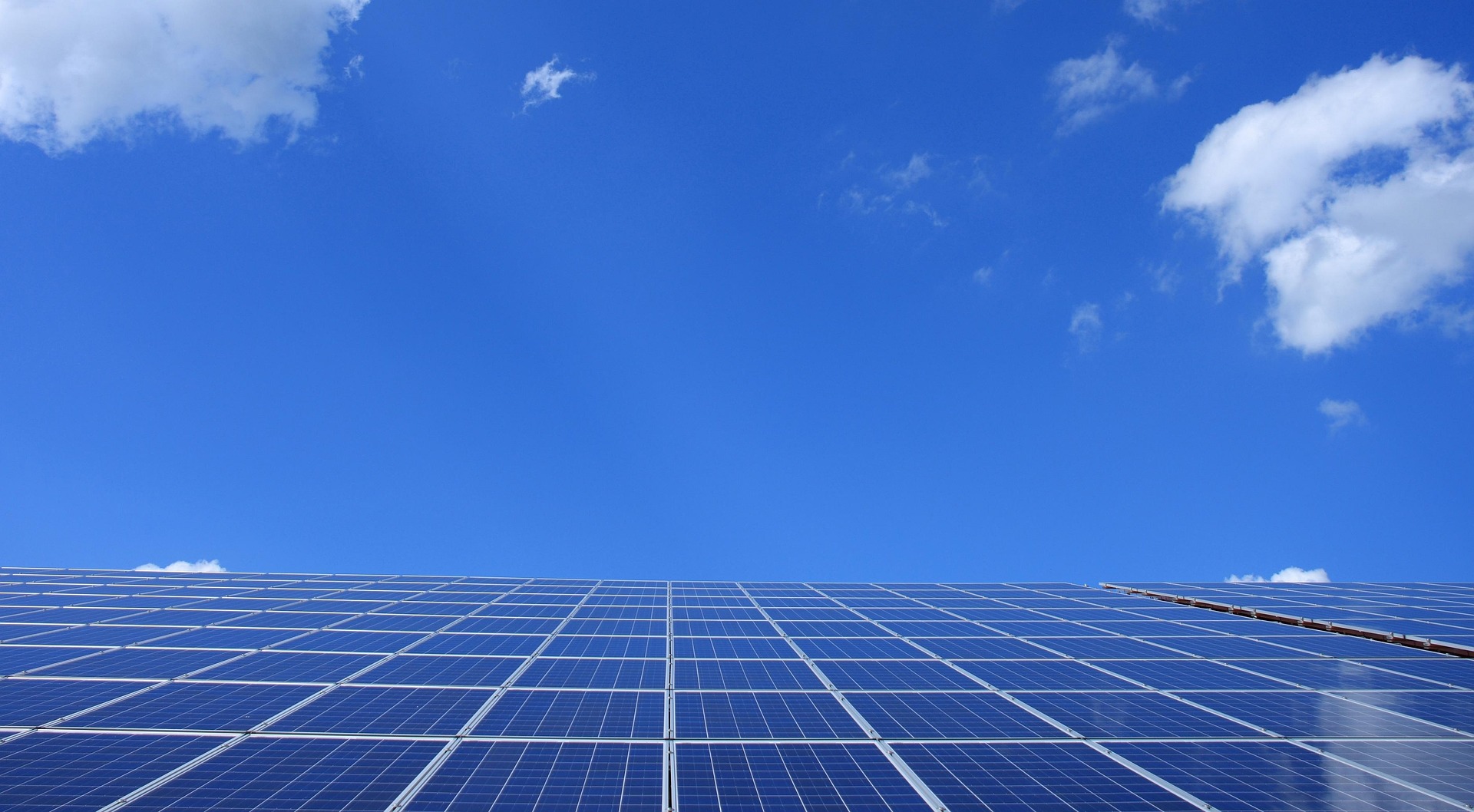
Solar for Public Institutions: Powering Schools, Hospitals & County Offices
Reliable electricity is essential for delivering quality public services. From hospitals that depend on life-saving medical equipment to schools that require power for digital learning and county offices that provide critical government services, uninterrupted electricity plays a vital role in Kenya’s social and economic development.
As the country continues to invest in renewable energy, solar power has emerged as one of the most effective solutions for improving energy access, reducing operational costs, and supporting environmental sustainability across public institutions.
Kenya’s abundant sunshine, expanding renewable energy sector, and growing demand for efficient public services make solar energy an ideal solution for government agencies at both national and county levels.
In this article, we explore how solar energy benefits public institutions, the key applications across different sectors, and how Yuan Limited supports the development of reliable and sustainable energy infrastructure.
Why Public Institutions Are Embracing Solar Energy
Government institutions operate every day to provide essential services to citizens. However, rising electricity costs and the need for reliable power have encouraged many public organizations to explore renewable energy solutions.
Solar energy offers numerous advantages, including:
- Reduced electricity expenses
- Reliable power supply
- Lower carbon emissions
- Improved energy security
- Reduced dependence on conventional electricity sources
- Long-term operational savings
For institutions operating under fixed budgets, these savings can be redirected toward improving service delivery and infrastructure.
Solar Power for Schools
Education is one of the pillars of national development, and reliable electricity is essential for creating effective learning environments.
Solar energy enables schools to:
Support Digital Learning
Modern education increasingly relies on computers, projectors, internet connectivity, and digital classrooms—all of which require dependable electricity.
Improve Student Safety
Solar-powered lighting enhances security around school compounds, classrooms, pathways, and dormitories, particularly in rural areas.
Power Essential Facilities
Solar systems can provide electricity for:
- Classrooms
- Libraries
- Laboratories
- Administrative offices
- Boarding facilities
- Water pumping systems
Reduce Operating Costs
Lower electricity bills allow schools to allocate more resources toward educational materials, facility improvements, and student programs.
Solar Energy for Hospitals and Healthcare Facilities
Healthcare institutions require continuous electricity to deliver quality medical services.
Power interruptions can affect patient care, medical equipment, and emergency response capabilities.
Solar energy supports healthcare facilities by powering:
- Operating theatres
- Intensive Care Units (ICUs)
- Diagnostic laboratories
- Medical imaging equipment
- Refrigeration for vaccines and medicines
- Water supply systems
- Lighting
- Information technology systems
When combined with battery storage solutions, solar systems provide reliable backup power that enhances resilience during grid outages.
Renewable Energy for County Government Offices
County governments oversee a wide range of public services, including administration, public works, agriculture, healthcare, education, and infrastructure development.
Solar energy enables county offices to:
- Reduce utility expenses
- Improve operational efficiency
- Ensure uninterrupted service delivery
- Support digital government initiatives
- Power remote administrative facilities
Lower energy costs also allow counties to invest more resources in development projects and community services.
Solar Solutions for Government Infrastructure
Beyond schools and hospitals, solar energy supports many other public facilities.
These include:
- Police stations
- Fire stations
- Government training institutions
- Community centers
- Public markets
- Water treatment facilities
- Agricultural research centers
- Border posts
- Transport terminals
Reliable renewable energy strengthens public infrastructure while reducing long-term operating costs.
Economic Benefits of Solar for Public Institutions
Investing in solar energy delivers measurable financial benefits.
Lower Electricity Bills
Generating electricity on-site reduces dependence on the national grid, lowering monthly utility expenses.
Long-Term Budget Stability
Solar systems help protect institutions from fluctuations in electricity prices, enabling more predictable budgeting.
Reduced Maintenance Costs
Modern solar installations require relatively low maintenance compared to conventional power generation systems.
Improved Asset Value
Energy-efficient public facilities often benefit from increased infrastructure value and reduced lifecycle operating costs.
Environmental Benefits
Public institutions play an important role in demonstrating environmental leadership.
Solar energy contributes to:
- Reduced greenhouse gas emissions
- Improved air quality
- Sustainable resource use
- National climate action goals
- Responsible energy management
Adopting renewable energy also encourages communities and private organizations to invest in sustainable technologies.
Key Components of Government Solar Projects
Large-scale public sector solar projects typically include:
Solar Photovoltaic Panels
Convert sunlight into electricity.
Inverters
Transform direct current (DC) into usable alternating current (AC).
Battery Energy Storage
Stores excess electricity for use during power outages or periods of high demand.
Electrical Substations
Manage power distribution safely and efficiently.
Grid Connection Infrastructure
Integrates solar systems with existing electrical networks where appropriate.
Monitoring Systems
Provide real-time performance tracking and system management.
Considerations Before Implementing Solar Projects
Successful solar installations begin with proper planning.
Important considerations include:
Energy Assessment
Understanding current electricity consumption helps determine the optimal system size.
Site Evaluation
Engineers assess:
- Available land or rooftop space
- Solar exposure
- Structural suitability
- Environmental conditions
- Grid accessibility
Financial Planning
Project planning should evaluate:
- Installation costs
- Expected operational savings
- Maintenance requirements
- Return on investment
- Available financing options
Regulatory Compliance
Government projects should comply with applicable energy regulations, technical standards, procurement procedures, and environmental requirements.
Why Choose Yuan Limited?
Yuan Limited provides comprehensive renewable energy solutions designed to meet the needs of government institutions and public infrastructure projects across Kenya.
Our services include:
- Utility-scale solar farm development
- Engineering, Procurement and Construction (EPC)
- Grid connection infrastructure
- Electrical substations
- Power transmission systems
- Battery energy storage solutions
- Plant operation and maintenance
- Independent power production
- Energy efficiency consulting
We combine engineering expertise, project management excellence, and sustainable technologies to deliver reliable energy systems that improve operational efficiency and reduce long-term costs.
Whether supporting ministries, county governments, educational institutions, healthcare facilities, or other public organizations, Yuan Limited is committed to delivering renewable energy solutions that strengthen public service delivery.
The Future of Renewable Energy in Kenya’s Public Sector
Kenya continues to lead Africa in renewable energy development, and public institutions are expected to play an increasingly important role in this transition.
Growing investment in:
- Smart energy systems
- Solar generation
- Battery storage
- Energy-efficient infrastructure
- Digital government services
will continue driving demand for sustainable power solutions across the public sector.
Solar energy enables institutions to deliver better services while supporting national development goals and environmental sustainability.
Conclusion
Solar energy is transforming how public institutions operate across Kenya. From improving healthcare delivery and enhancing educational environments to supporting efficient county administration, renewable energy offers practical, reliable, and cost-effective solutions for today’s public sector.
By investing in solar power, government institutions can reduce operating expenses, strengthen energy security, improve service delivery, and contribute to Kenya’s long-term sustainability objectives.
At Yuan Limited, we are proud to partner with public institutions by delivering innovative renewable energy solutions that combine engineering excellence, operational reliability, and environmental responsibility.
Together, we can build a cleaner, more resilient, and energy-efficient future for Kenya.
Frequently Asked Questions (FAQs)
1. Why is solar energy important for government institutions in Kenya?
Solar energy reduces electricity costs, improves energy reliability, supports sustainability goals, and ensures uninterrupted delivery of public services.
2. Which public institutions benefit most from solar power?
Schools, hospitals, county offices, police stations, government training centers, water treatment facilities, public markets, and administrative offices all benefit from solar energy.
3. Can solar systems provide backup power during outages?
Yes. When combined with battery energy storage, solar systems can supply backup power during grid interruptions, ensuring critical operations continue.
4. What renewable energy services does Yuan Limited provide?
Yuan Limited offers utility-scale solar development, EPC services, substations, grid infrastructure, battery energy storage, plant operation and maintenance, and energy efficiency consulting.
5. Is solar energy a cost-effective investment for public institutions?
Yes. Although installation requires upfront investment, solar systems provide long-term savings through lower electricity bills, reduced operating costs, and improved energy efficiency.