
Utility-Scale Solar in Kenya: What Businesses Should Know Before Going Solar
As energy costs continue to rise and sustainability becomes a business priority, more organizations across Kenya are turning to renewable energy as a reliable and cost-effective solution. Among the available renewable energy options, utility-scale solar has emerged as one of the most efficient ways to generate clean electricity while reducing dependence on traditional power sources.
Kenya has long been recognized as a regional leader in renewable energy, with abundant sunshine and a strong commitment to expanding clean energy infrastructure. These favorable conditions make utility-scale solar an attractive investment for businesses, industries, government institutions, and independent power producers.
Whether you operate a manufacturing facility, commercial complex, agricultural enterprise, or public institution, understanding the fundamentals of utility-scale solar can help you make informed decisions that deliver long-term operational and financial benefits.
In this guide, we explore what utility-scale solar is, how it works, its benefits, key considerations before investing, and how Yuan Limited supports renewable energy projects across Kenya.
What Is Utility-Scale Solar?
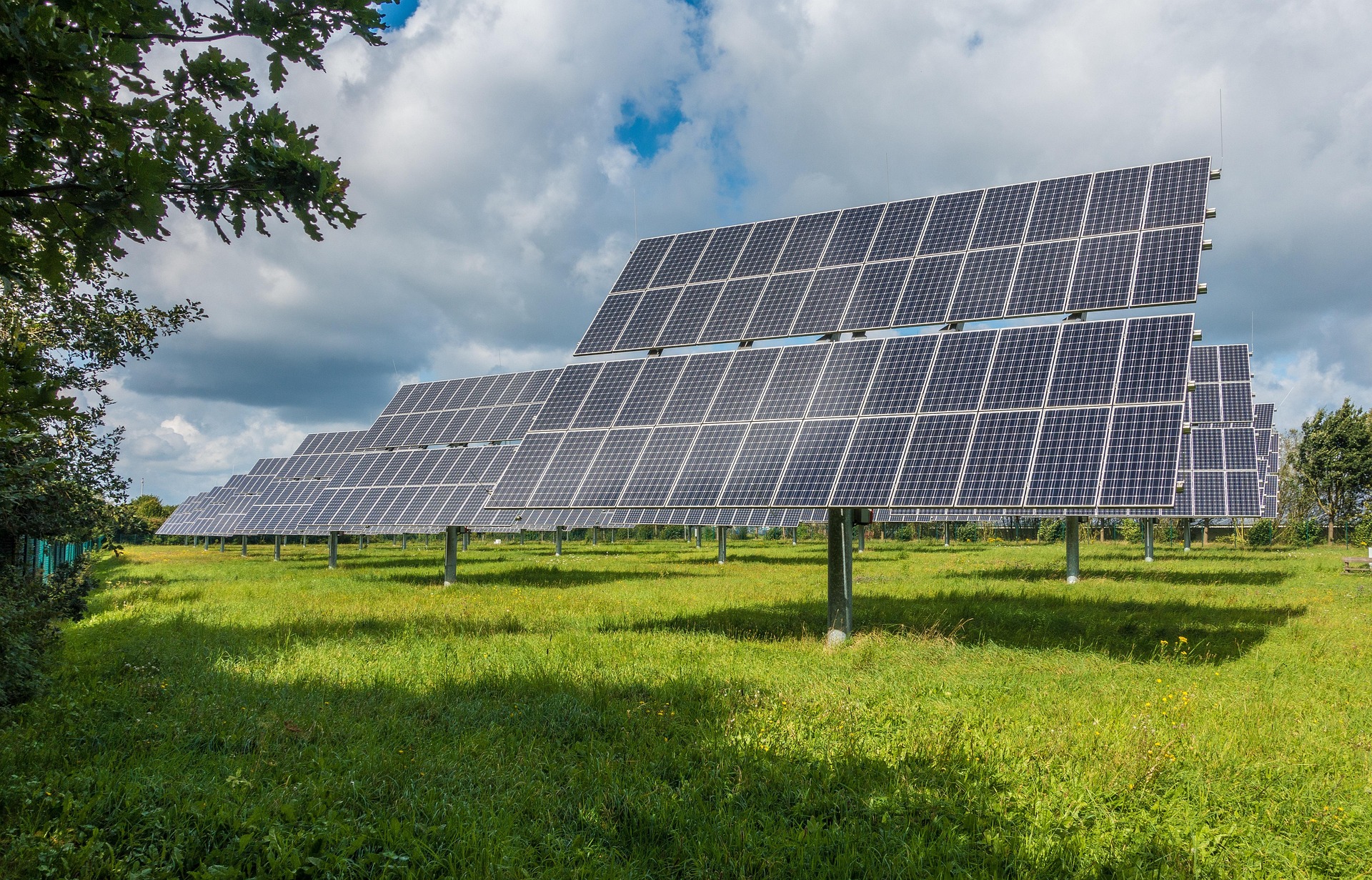
Utility-scale solar refers to large solar photovoltaic (PV) installations designed to generate substantial amounts of electricity for commercial, industrial, or public utility use. Unlike residential rooftop systems, utility-scale solar plants are built on larger parcels of land and are capable of supplying electricity to businesses, communities, or the national power grid.
These projects typically include:
- Large solar panel arrays
- Inverters
- Electrical substations
- Grid connection infrastructure
- Monitoring and control systems
- Energy storage solutions (where applicable)
- Operations and maintenance facilities
Utility-scale solar projects can operate independently or integrate with existing electrical infrastructure to provide reliable, long-term energy solutions.
Why Kenya Is Ideal for Utility-Scale Solar
Kenya offers several advantages that make it one of Africa’s leading destinations for solar energy development.
Abundant Solar Resources
Most parts of Kenya receive high levels of solar irradiation throughout the year, allowing solar plants to generate electricity consistently and efficiently.
Growing Energy Demand
Rapid urbanization, industrial expansion, and population growth continue to increase electricity demand across the country. Solar energy helps meet this demand sustainably.
National Commitment to Renewable Energy
Kenya has invested significantly in renewable energy sources such as geothermal, wind, hydro, and solar, creating a supportive environment for clean energy development.
Improved Infrastructure
Ongoing investments in transmission lines, substations, and grid modernization make it easier to integrate utility-scale solar projects into the national electricity network.
Benefits of Utility-Scale Solar for Businesses
Investing in utility-scale solar offers a range of operational, financial, and environmental benefits.
Lower Energy Costs
Electricity is often one of the largest operating expenses for businesses. Utility-scale solar allows organizations to generate their own electricity, reducing dependence on conventional power sources and helping stabilize long-term energy costs.
Energy Security
Power interruptions can disrupt operations and lead to significant financial losses. Solar systems, particularly when combined with energy storage solutions, improve energy reliability and business continuity.
Environmental Sustainability
Solar energy produces electricity without greenhouse gas emissions during operation. Businesses that invest in solar demonstrate environmental responsibility while supporting Kenya’s transition to cleaner energy.
Long-Term Investment Value
Although solar projects require an initial capital investment, they often deliver cost savings over many years through reduced electricity bills and lower operating costs.
Improved Corporate Reputation
Customers, investors, and business partners increasingly value organizations that prioritize sustainability. Adopting renewable energy can strengthen brand reputation and support Environmental, Social, and Governance (ESG) objectives.
Key Components of a Utility-Scale Solar Project
A successful solar project involves multiple integrated systems.
Solar Photovoltaic Panels
These panels capture sunlight and convert it into direct current (DC) electricity.
Inverters
Inverters convert DC electricity into alternating current (AC), which powers facilities and connects to the electrical grid.
Electrical Substations
Substations regulate voltage levels and facilitate the safe transmission of electricity.
Grid Connection Infrastructure
Transmission lines and distribution systems enable generated electricity to be delivered efficiently.
Energy Storage Systems
Battery storage improves reliability by storing excess electricity for use during periods of low solar generation or peak demand.
Monitoring Systems
Digital monitoring platforms allow operators to track performance, identify faults, and optimize energy production.
Important Considerations Before Investing
Before developing a utility-scale solar project, organizations should evaluate several critical factors.
Energy Requirements
Understanding your organization’s electricity consumption patterns helps determine the appropriate system size and expected performance.
Site Assessment
A professional assessment examines factors such as:
- Available land
- Solar exposure
- Terrain
- Environmental conditions
- Accessibility
- Grid proximity
Selecting the right location is essential for maximizing energy generation.
Financial Planning
Businesses should consider:
- Project capital costs
- Financing options
- Operational expenses
- Expected energy savings
- Return on investment (ROI)
- Long-term maintenance requirements
A comprehensive financial analysis supports informed investment decisions.
Regulatory Compliance
Utility-scale solar projects must comply with applicable regulations, environmental standards, and technical requirements. Working with experienced professionals helps ensure smooth project implementation.
The Utility-Scale Solar Development Process
Developing a successful solar project typically involves several stages.
Feasibility Studies
Initial assessments evaluate technical, financial, and environmental viability.
Engineering and Design
Specialists design the solar plant, electrical systems, substations, and grid connection infrastructure.
Procurement
High-quality solar panels, inverters, transformers, mounting systems, and other equipment are sourced from trusted manufacturers.
Construction
Engineering teams install and commission the solar facility while maintaining quality and safety standards.
Grid Integration
The completed system is tested and connected to the electrical network.
Operations and Maintenance
Routine inspections, monitoring, preventive maintenance, and performance optimization ensure reliable long-term operation.
Industries That Benefit from Utility-Scale Solar
Utility-scale solar supports organizations across multiple sectors.
These include:
- Manufacturing
- Mining
- Agriculture
- Industrial parks
- Commercial developments
- Logistics centers
- Educational institutions
- Healthcare facilities
- Government agencies
- County governments
- Independent power producers
Organizations with high electricity consumption often experience the greatest long-term benefits from solar investments.
Why Partner with Yuan Limited?
Yuan Limited provides integrated renewable energy solutions that help organizations transition to clean, reliable, and efficient power systems.
Our solar energy services include:
- Utility-scale solar farm development
- Engineering, Procurement and Construction (EPC)
- Grid connection infrastructure
- Electrical substations
- Power transmission systems
- Battery energy storage solutions
- Independent power production
- Plant operation and maintenance
- Energy efficiency consulting
Our experienced team combines technical expertise, project management, and a commitment to quality to deliver renewable energy solutions that align with each client’s operational objectives.
Whether supporting commercial enterprises, industrial facilities, or public sector projects, Yuan Limited is dedicated to delivering reliable and sustainable energy infrastructure.
The Future of Solar Energy in Kenya
As Kenya continues to expand its renewable energy capacity, utility-scale solar is expected to play an increasingly important role in meeting the country’s growing electricity needs.
Advancements in solar technology, declining equipment costs, improved battery storage systems, and supportive energy policies continue to make solar power more accessible and financially attractive.
Businesses that invest in renewable energy today are positioning themselves for greater energy resilience, improved operational efficiency, and long-term sustainability.
Conclusion
Utility-scale solar represents one of the most effective solutions for organizations seeking to reduce energy costs, improve energy security, and contribute to a cleaner environment.
Kenya’s abundant solar resources, growing infrastructure, and commitment to renewable energy create excellent opportunities for businesses and institutions to invest in large-scale solar projects.
At Yuan Limited, we are committed to helping clients harness the power of solar through comprehensive project development, engineering excellence, and reliable long-term support. By delivering innovative renewable energy solutions, we help organizations build a more sustainable and energy-efficient future.
Frequently Asked Questions (FAQs)
1. What is utility-scale solar?
Utility-scale solar refers to large solar power plants that generate electricity for businesses, industries, government institutions, or the national electricity grid.
2. Why is Kenya suitable for utility-scale solar?
Kenya enjoys abundant sunshine, increasing electricity demand, expanding infrastructure, and a strong commitment to renewable energy development.
3. Which organizations benefit most from utility-scale solar?
Manufacturers, mining companies, commercial facilities, agricultural enterprises, healthcare institutions, educational institutions, government agencies, and industrial parks can all benefit from utility-scale solar systems.
4. What services does Yuan Limited provide in renewable energy?
Yuan Limited offers utility-scale solar farm development, EPC services, grid infrastructure, substations, energy storage, power transmission, operations and maintenance, and energy efficiency consulting.
5. Is utility-scale solar a good long-term investment?
Yes. Utility-scale solar can significantly reduce long-term electricity costs, improve energy security, support sustainability goals, and provide strong returns over the lifespan of the project.